



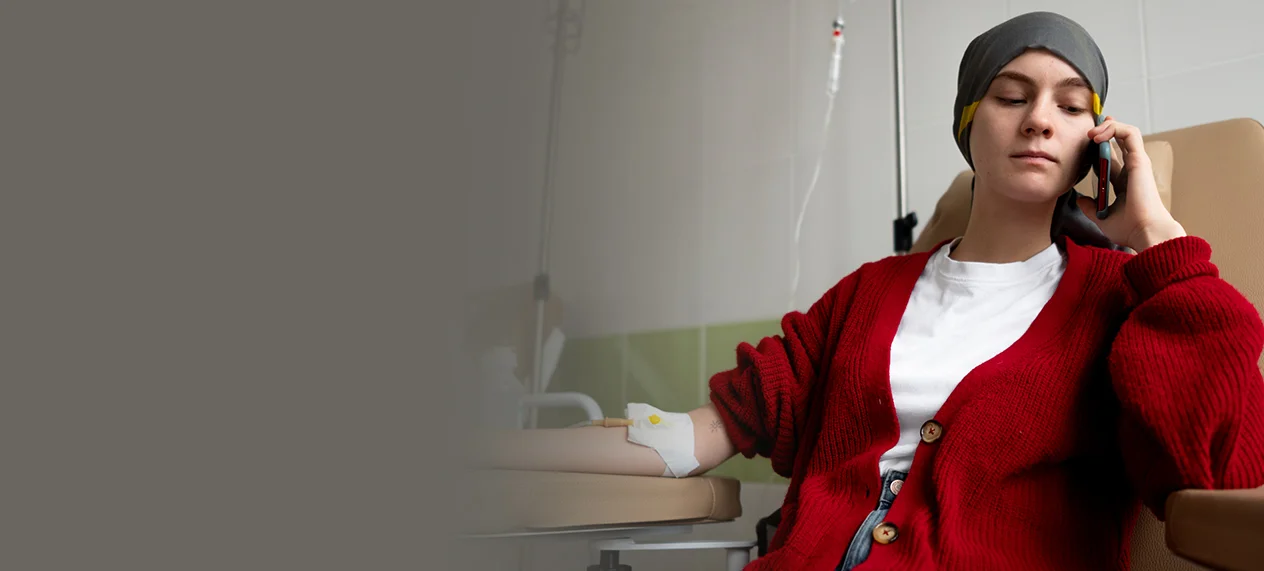
The main objective of Chemotherapy, or Chemo, is to kill Cancer cells. It can harm both healthy and cancerous cells, so exposure can be dangerous. It is essential to follow safety precautions while undergoing Chemotherapy.
If you have Chemotherapy as part of your Cancer treatment, you should know some safety tips. During Chemotherapy, one must follow certain safety guidelines to reduce the risk of exposure and manage side effects effectively. While having Chemotherapy, what to avoid during Chemotherapy? How to manage side effects of Chemotherapy? Explore answers to your question below.
Read Also: Chemo Hacks: How To Reduce Side Effects And Feel Your Best
The following information is the answer for your queries, like how to stay healthy during Chemotherapy.
| General Safety Precautions (During & Up to 48 Hours After Chemotherapy) | |
| Do’s | Don’ts |
| Use a separate toilet if possible, or clean the toilet seat after each use | Do not leave the toilet lid open after use |
| Put the toilet lid down before flushing, and flush it twice if needed. | Do not allow your pets to come in contact with your chemo waste |
| Wash your hands thoroughly with warm water and soap. Clean any splashes with sanitizing wipes | Do not skip handwashing after using the bathroom |
| Wear disposable gloves if handling body fluids or contaminated items | Do not handle body fluids without protection |
| Laundry and Household Hygiene During Chemotherapy | |
| Do’s | Don’ts |
| Wash clothes or linens soiled with body fluids in a washing machine | Do not wash contaminated laundry by hand |
| Wash items separately using hot water and regular detergent | Do not mix soiled laundry with other clothes |
| Seal unwashed items in plastic bags until washing | Do not throw contaminated items loosely in the trash |
| Dispose of adult diapers or sanitary pads in sealed plastic bags | Do not reuse disposable hygiene products |
| Chemotherapy Diet And Nutrition Tips | |
| Do’s | Don’ts |
| Eat freshly cooked, well-heated food | Do not eat raw or undercooked meat or seafood |
| Wash fruits and vegetables thoroughly | Do not eat food left at room temperature for long |
| Eat food while it is still hot if meant to be served hot | Do not consume sushi, oysters, or rare meats |
| Follow dietary restrictions advised by your care team | Do not eat raw produce if advised against it |
| How to Manage Side Effects of Chemotherapy? | |
| Do’s | Don’ts |
| Choose soft, mild foods if you have mouth sores | Do not eat hard, spicy, or acidic foods |
| Avoid foods that irritate your mouth | Do not consume grapefruit or grapefruit juice |
| Drink fluids that are moderate in temperature | Do not take cold drinks if you have cold sensitivity |
| Medications Guidelines for Chemotherapy Patients | |
| Do’s | Don’ts |
| Take supplements only if prescribed by your doctor | Do not start new supplements without medical advice |
| Inform your care team about all medicines you take | Do not take herbal remedies, CBD oil, or melatonin without approval |
| Follow prescribed medication schedules strictly | Do not assume “natural” supplements are safe |
| Lifestyle Tips During Chemotherapy | |
| Do’s | Don’ts |
| Rest when tired and listen to your body | Do not overexert yourself |
| Stay active within your comfort level | Do not push through extreme fatigue |
| Wear protective clothing and SPF 30 sunscreen outdoors | Do not use tanning beds |
| Limit sun exposure, especially during peak hours | Do not stay outdoors for long periods in direct sunlight |
| Chemotherapy Precautions for Alcohol, Smoking, and Substance Use | |
| Do’s | Don’ts |
| Stay hydrated with water and healthy fluids | Do not drink alcohol during chemotherapy |
| Seek help if quitting smoking is difficult | Do not smoke, vape, or use tobacco products |
| Chemotherapy Precautions for Sexual Health and Pregnancy Precautions | |
| Do’s | Don’ts |
| Use effective birth control during chemotherapy | Do not risk pregnancy during treatment |
| Use barrier protection such as condoms | Do not expose sexual partners to chemotherapy drugs |
| Chemotherapy Precautions For Immune System | |
| Do’s | Don’ts |
| Wash your hands frequently and thoroughly | Do not socialize closely with sick people |
| Wear a mask when the infection risk is high | Do not ignore infection symptoms |
| Maintain personal hygiene consistently | Do not neglect hand hygiene |
Read Also: What You Need to Know Before Stomach Cancer Treatment
The following lifestyle tips can help you handle chemotherapy in a better way:
Read Also: Is Blood Cancer Curable? Types, Causes, And Leukemia Treatment
The lifestyle adjustments are essential to ensure the safety and effectiveness of chemotherapy. Making smart lifestyle choices, keeping lines of communication open with your care team, and taking the necessary measures can all help lower risks and increase treatment tolerance.
For effective chemotherapy precautions, choose BMCHRC. Book your consultation now!
Q1: For what duration does the body retain the effects of Chemotherapy ?
A: It usually takes around 48 hours for the majority of chemotherapy medications to leave the body; however, some might take more time.
Q2: Is it possible for family members to help patients undergo Chemotherapy ?
A: Yes. But while dealing with bodily fluids (chemo waste), laundry, or pharmaceuticals, they must adhere to all safety procedures.
Q3: What are Chemotherapy precautions for the immune system ?
A: You can lessen your risk of infection and adverse consequences by refraining from specific foods. Make sure you adhere to your care team's dietary recommendations at all times.
 +91-8440049999
  Careers
 Donate
  Book an Appointment
 Tele-Consultation
 Patient Portal

