



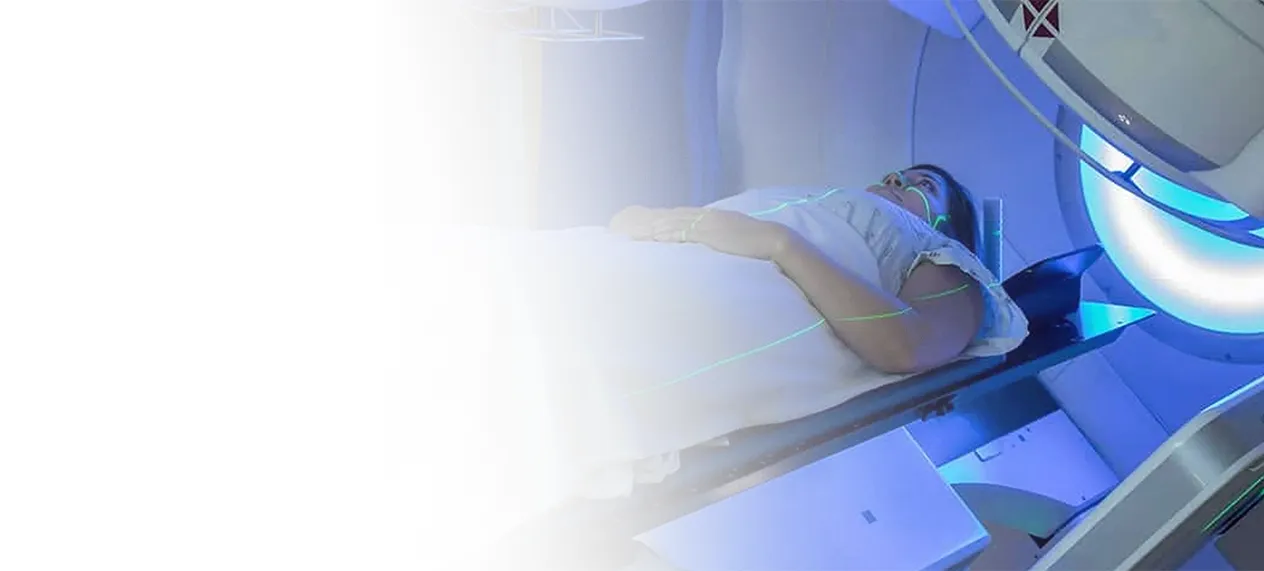
Recent advancements in Radiation Therapy have led to the emergence of advanced treatments such as LINAC-based Cancer treatments. Such cutting-edge treatments enable the precise elimination of cancer cells with minimal damage to nearby healthy tissue. Many cancer care centers in India are able to provide such therapies, supporting effective outcomes for both early-stage and complex cancers.
A Linear Accelerator (LINAC) is a medical device that is capable of producing high-energy X-rays or electrons. Therapies provided using this device help to destroy cancer cells with exceptional accuracy. Advanced LINAC systems support modern techniques like IMRT, IGRT, and VMAT, improving tumor control and reducing side effects.
Let’s know the LINAC radiation therapy cost in India and understand all these cancer care therapies better with the following information, so that we can make informed decisions while choosing the right cancer center.
Radiation Therapy Cost in India
At BMCHRC, advanced Radiotherapy technologies have significantly improved the precision, treatment effectiveness, and patient safety. With state-of-the-art LINAC-based radiation therapies, we can provide comprehensive care to the patients. The key highlights that distinguish us from other cancer care centers:
The following are the types of LINAC-Based Advanced Radiation Therapies available in India:
| Radiation Therapy Technique | Description |
| 3D Conformal Radiation Therapy (3DCRT) | Three-dimensional scans are used to pinpoint the precise shape and size of the tumor. Radiation beams are then directed accordingly. This reduces healthy cell damage. It's highly effective for brain cancer, head and neck cancer, liver cancer, lung cancer, and prostate cancer. |
| Image-Guided Radiation Therapy (IGRT) | Tracks the tumor or implanted markers during radiation. It is most effective for the cancers of the lungs, liver, pancreas, and prostate gland, as well as tumors located close to critical organs and tissues. |
| Intensity-Modulated Radiation Therapy (IMRT) | Targets multiple radiation beams directly to the tumor. Special planning software helps to minimize the radiation dose to the surrounding healthy tissues, thereby reducing damage to those cells. This therapy is most effective for tumors that are extremely close to surrounding normal organs. |
| Volumetric Modulated Arc Therapy (VMAT) | Multiple radiation beams of different intensities are delivered at every angle. The highest dose of radiation is targeted at the tumor, while the dose is highly reduced for healthy organs. It is most effective for several types of solid tumors, including prostate cancer, liver cancer, and pancreatic cancer. |
Advanced radiation therapy costs in India are highly affordable in comparison to many western nations, without compromising expertise and quality of care.
| Radiation Therapy Type | Approximate Cost in India |
| IMRT cost | ₹1,50,000 – ₹3,00,000 |
| IGRT cost | ₹2,00,000 – ₹3,50,000 |
| VMAT / Advanced IMRT cost | ₹2,50,000 – ₹4,50,000 |
| SRS / SBRT cost | ₹2,00,000 – ₹5,00,000 (depending on sessions) |
The LINAC radiation therapy cost in India may vary a lot on the basis of many factors, such as technique, number of sessions, cancer complexity, and hospital infrastructure.
The following are the advantages of LINAC-based radiation therapy over traditional radiation methods:
One may experience gradual recovery after LINAC-based radiation therapy. However, it greatly depends on the location of the tumor and the dosage administered. The following are the side effects one may experience during the recovery:
The majority of patients return to their regular activities either during or soon after therapy. While the tumor response takes months to manifest, side effects usually subside within weeks.
In order to facilitate a more seamless recovery process, BMCHRC provides ongoing monitoring, nutritional guidance, and supportive care to our patients.
The advent of advanced radiation therapy in clinical practice has brought more safety, pinpoint precision, and higher efficacy in cancer care in India. Knowing these treatments empowers patients to make informed decisions in their cancer treatment journey.
Schedule your consultation today with our best radiation oncologists in India for personalised guidance for advanced radiation therapy in India.
Q1. Are LINAC-based Radiation Therapies safe ?
A: Yes. At BMCHRC we follow strict safety protocols and guidelines to ensure the safety of these treatments. Specialists with years of expertise provide these highly sophisticated treatments here.
Q2. In how many sessions are these treatments completed ?
A: The number of sessions for highly positive outcomes is determined by cancer type and technique.
Q3. Does IMRT cost more than conventional Radiation ?
A: Yes, but IMRT offers better precision and fewer side effects, improving overall treatment outcomes.
Q4. Can Radiation Therapy be combined with Chemotherapy ?
A: Yes. Many cancers require combined treatment, based on the oncologist’s recommendation.
Q5. How soon can I resume my normal activities after the treatment ?
A: Most patients can continue daily activities during treatment with minor adjustments.
 +91-8440049999
  Careers
 Donate
  Book an Appointment
 Tele-Consultation
 Patient Portal

