



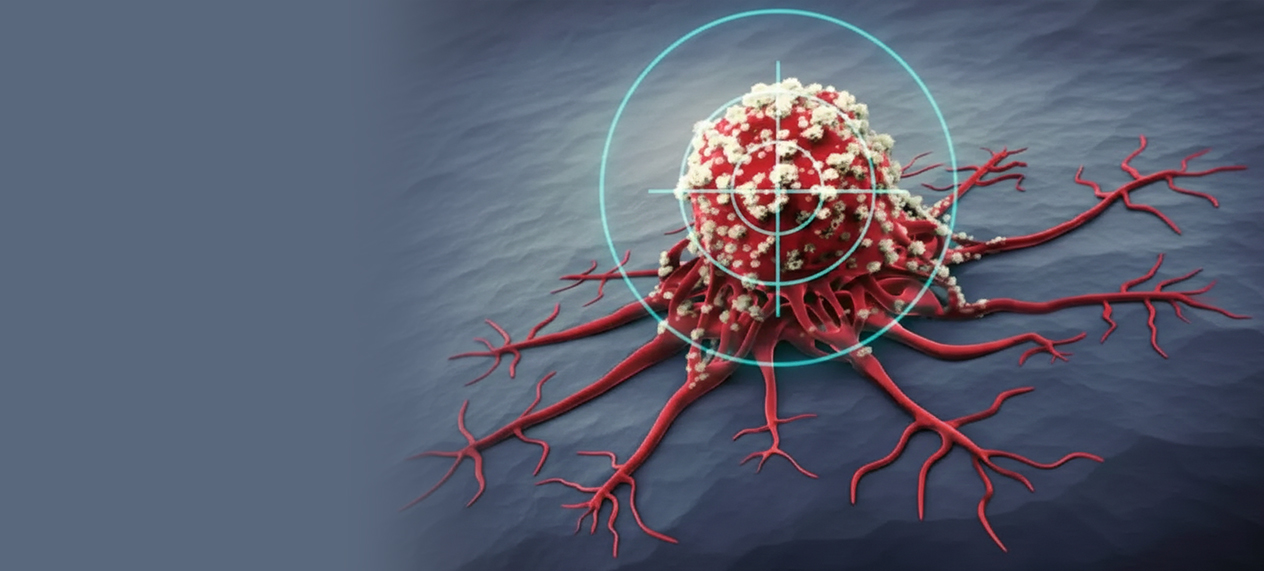
India has recently emerged among the top global destinations receiving distinguished cancer care that includes several treatment options, such as targeted therapy. The unique combination of advanced medical expertise, state-of-the-art infrastructure, high affordability, and patient-centered treatment approaches has made India stand out among the western countries in delivering the best cancer care outcomes. One of the strongest advantages of choosing India is affordability. When compared to developed nations like the US, UK, or Europe, targeted therapy in India is far more affordable without sacrificing quality of care. The availability of approved alternatives and high-quality generics significantly lowers treatment expenses.
There are more than 100 types of targeted therapy drugs. The precision therapy cost in India ranges from ₹80,000 to ₹2.5 lakh per month. The following information can offer an overview of the drug-wise pricing of targeted therapy in India:
| Drug Name | Cancer Type (Full Form) | How the Drug Helps (In Simple Words) | Approximate Targeted Drug Cost in India (INR) |
| Trastuzumab | HER2-positive breast cancer | Slows the growth of certain breast cancer cells | ₹30,000 – ₹70,000 per vial |
| Pertuzumab | HER2-positive breast cancer | Helps stop cancer cells from growing and spreading | ₹2,50,000 – ₹3,00,000 per vial |
| Bevacizumab | Colorectal cancer, lung cancer, ovarian cancer | Reduces blood supply that helps tumors grow | ₹70,000 – ₹1,50,000 per vial |
| Cetuximab | Colorectal cancer, head and neck cancer | Slows cancer growth by blocking cancer-cell activity | ₹20,000 – ₹40,000 per dose |
| Imatinib | Chronic Myeloid Leukemia (CML), Gastrointestinal Stromal Tumor (GIST) | Controls cancer by stopping abnormal cell growth | ₹1,500 – ₹2,000 per month |
| Sunitinib | Kidney cancer, Gastrointestinal Stromal Tumor (GIST) | Helps shrink tumors and slow disease progression | ₹7,000 – ₹35,000 per month |
| Regorafenib | Colorectal cancer, Gastrointestinal Stromal Tumor (GIST) | Slows cancer spread when other treatments stop working | ₹30,000 – ₹40,000 per month |
| Osimertinib | Lung cancer | Targets cancer cells while limiting damage to normal cells | ₹1,20,000 – ₹1,60,000 per month |
| Erlotinib | Lung cancer | Helps control cancer growth and symptoms | ₹4,000 – ₹10,000 per month |
| Gefitinib | Lung cancer | Slows the growth of cancer cells in the lungs | ₹2,000 – ₹6,000 per month |
| Palbociclib | Hormone-positive breast cancer | Slows cancer cell multiplication | ₹20,000 – ₹35,000 per month |
| Ribociclib | Hormone-positive breast cancer | Helps stop cancer cells from dividing further | ₹20,000 – ₹30,000 per month |
| Olaparib | Ovarian cancer, breast cancer (BRCA-related) | Prevents cancer cells from repairing themselves | ₹12,000 – ₹30,000 per month |
| Avapritinib | Rare Gastrointestinal Stromal Tumor (GIST) | Targets cancer cells causing rare stomach tumors | ₹40,000 – ₹50,000 per month |
Your treatment plan will differ depending on the targeted therapy medications you receive. For example, you could have treatment sessions every day, weekly, or monthly. Treatment might be ongoing or have a predetermined duration. When recommending targeted therapy, your oncologist considers all the potential complications that may increase your overall care period. They will explain how and how long treatment may affect you. However, they will also suggest medications and other methods to prevent or lessen adverse effects with appropriate and timely palliative care.
Throughout your care period, you will undergo regular examinations and symptom care procedures with your oncologist and other members of your cancer care team. These examinations will be scheduled to address your issues or concerns. However, you must contact your team immediately if you experience adverse effects that are more severe than anticipated.
The following are the side effects associated with targeted therapy:
Cancer happens due to changes in the genetic sequence of normally functioning cells. The healthy cells turn into cancer cells when they start following the new genetic instructions. The goal of targeted therapy, a type of precision medicine for cancer treatment, is to eliminate cancer cells while sparing healthy cells.
Targeted therapy allows oncologists to precisely identify the mutations or alterations in your DNA that activate genetic abnormalities that turn normal cells into cancerous ones. The targeted therapy works in the following steps:
more effective than chemotherapy. However, not all cancer patients are the right candidates for targeted therapy. Chemotherapy works well against cancer if that's the case. Additionally, targeted therapy and chemotherapy are sometimes more effective when used together than when used alone.
The following are the types of targeted therapies:
Small-molecule drugs: These small molecules easily enter the cells and interfere with cellular processes. They can also be targeted to the molecules present on the cell surface.
Monoclonal antibodies: These are cloned cells that are larger in size and impact cell structures from the outside. They often target the molecules present on the surface of the cancer cells or nearby. They produce antibodies that interfere with the functioning of the targeted surface molecule. These monoclonal antibodies sometimes deliver toxins into the cell body.
BMCHRC (Bhagwan Mahaveer Cancer Hospital & Research Centre) is one of the top hospitals in India for Targeted Therapy. BMCHRC was established in the year 1997 as a cancer specialty hospital offering cancer prevention, treatment, education, and research. It is an NABH- and NABL-accredited super-specialty cancer center that provides personalized care for various types of cancers.
The hospital has surgical oncology, medical oncology, radiation oncology, hematology oncology, anesthesiology, neuro-oncology surgery, geriatric oncology, radiology, plastic & reconstructive surgery, nuclear medicine, pathology departments, and a blood bank equipped with advanced equipment and cutting-edge facilities.
The hospital has grown from a 50-bed facility into a 300-bed cancer specialty institution serving patients across Rajasthan and neighboring regions, and it offers supportive services such as affordable care, free or subsidized treatment for eligible patients, and holistic support programs.
Cancer is among the leading causes of disease-related deaths around the world. The cancer-related burden has increased largely due to rising risk factors such as longer aging trends, lifestyle modifications, obesity, and greater exposure to cancer-causing agents through environmental pollution and food adulteration. Consequently, it is imperative to develop more efficacious cancer treatment strategies.
There are several cancer therapies, including surgery, radiation therapy, and chemotherapy, that are either used alone, in combination, or in a planned sequence, depending on the type, stage, and overall health of the patient. However, these modalities are associated with many side effects. For instance, chemotherapy, due to its nonselective action against actively proliferating cells, can also cause toxicity to healthy cells.
As a result, new targeted cancer treatments have been created that are more specific to cancer cells. For example, some therapies work by blocking pathways that help cancer cells grow, multiply, and stay alive.
Targeted therapy has delivered significant survival benefits in selected cancers and has transformed the fundamental approach to cancer treatment. It now serves as a cornerstone in the shift toward precision and personalized cancer care.
Cancer treatment modalities are advancing every day. Targeted therapy is the best example of this cancer care evolution. Experts are continually decoding cancer's genetic codes to develop more precise treatments. Currently, more than 100 targeted therapy medications are available to treat various cancers. There may be a targeted therapy available that is effective for your specific type of cancer. Your oncologist will discuss all suitable treatment options with you, including targeted therapy. Your doctor will explain how targeted therapy works and why it may be right for you.
A: The cost of Targeted Therapy varies based on the type of Cancer, genetic mutation profile, selected drug, dosage, and treatment duration.
A: Key cost-determining factors include molecular testing requirements, brand versus biosimilar drugs, treatment frequency, hospital infrastructure, and the need for supportive care and monitoring.
A: Yes, approved biosimilars are tested and regulated to make sure they are as safe, effective, and high-quality as the original biologic drugs, while also being much cheaper.
A: Yes, BMCHRC offers advanced Targeted Therapy guided by molecular diagnostics and evidence-based protocols, delivered by experienced oncologists.
A: BMCHRC provides access to affordable treatment options, including subsidized care and support programs for eligible patients.
 +91-8440049999
  Careers
 Donate
  Book an Appointment
 Tele-Consultation
 Patient Portal

