



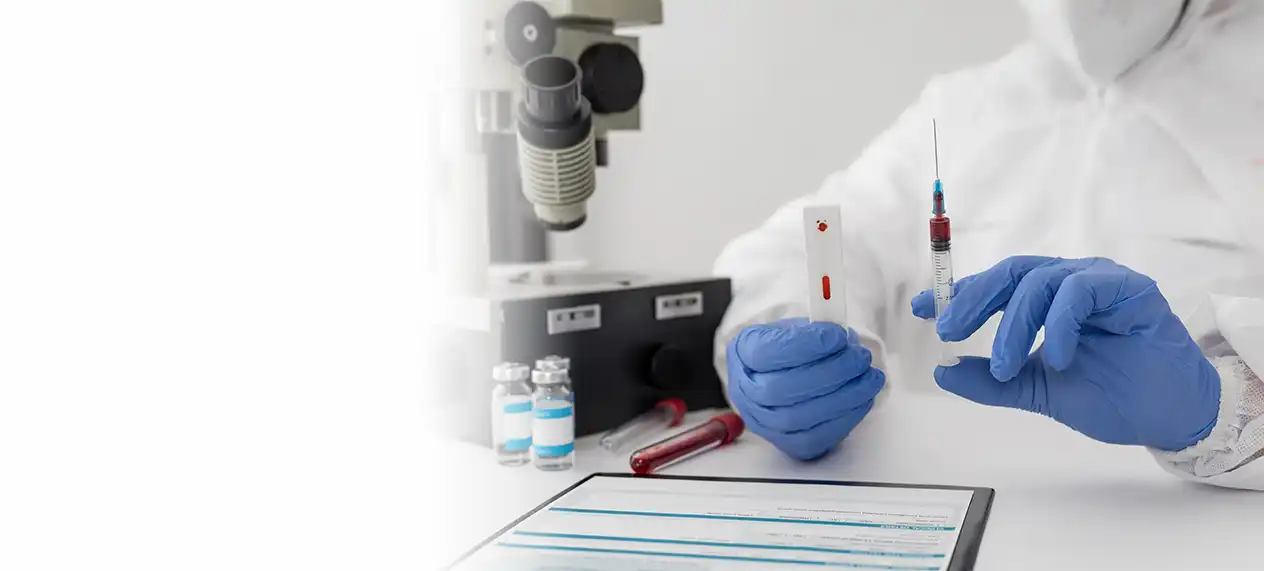
A biopsy test involves removing a sample of cells or tissue for examination by a pathologist. A biopsy is often performed to check if an abnormal area is cancerous or non-cancerous or to help diagnose other conditions. According to the National Cancer Institute (NCI), “a biopsy is often the only way to tell definitively whether cancer is present,” though a diagnosis typically involves additional procedures, including medical history and physical exams, imaging, and lab tests.
Read Also: Is Vitamin B12 Deficiency A Sign Of Cancer?
A biopsy is a procedure that removes cells or tissue for examination. The removed cells, tissue, or fluid are sent to pathology for analysis, and a pathology report is prepared.
A biopsy may be requested:
A biopsy is not always a test for cancer. In fact, many biopsies are performed for reasons other than cancer.
Read Also: Cancer And Emotional Health: Practical Tips For Patients And Loved Ones
The primary purpose of a biopsy is to investigate abnormal tissue. In the case of cancer, a biopsy for cancer diagnosis determines whether malignant cells are present. Additionally, the pathology report can help confirm or rule out other conditions, determine the specific cancer type, indicate cancer biomarkers for targeted therapy, and advise on the most appropriate treatment.
The National Cancer Institute (NCI) notes that pathology reports can help decide the most suitable treatment after a cancer diagnosis.
Read Also: Healthy Living for Cancer Prevention: Steps That Matter
There are several different types of biopsy, depending on the location of the abnormal tissue and its accessibility. The main categories are as follows:
| Type | Description | Common Uses |
| Fine-needle aspiration | A thin needle is used to remove fluid or cells from a lump or swollen lymph node. | Some lumps and abnormal lymph nodes |
| Core Needle biopsy | A hollow needle extracts a tissue cylinder | The breast, liver, and other organs |
| Endoscopic biopsy | A biopsy forceps removes tissue through an endoscope | Lungs, digestive system, and some other organs |
| Incisional biopsy | A biopsy removes a piece of the abnormal area. Some abnormal areas require more extensive removal. | — |
| Excisional biopsy | An entire lump or abnormal lesion is removed. | Selected localized lesions |
| Bone marrow biopsy | A biopsy needle removes a sample of bone marrow. | Blood disorders and some cancers |
The NCI notes that needle, endoscopic, and surgical biopsies can be used to remove tissue samples for testing.
A biopsy procedure technique depends on the location and accessibility of the target tissue.
Before the procedure, the doctor may review your history, medications, imaging studies, and laboratory tests. You may be asked to stop taking certain medications or fast before the procedure if applicable. During the procedure, the doctor may numb the area with local anesthetics or sedate you, depending on the technique. A needle, endoscope, or surgical instruments are used to remove a tissue sample.
After the procedure, the sample will be sent to pathology for analysis. You may have some discomfort depending on the procedure. Your doctor should inform you of possible side effects and the recovery process.
Diagnostic imaging techniques such as computed tomography (CT), magnetic resonance imaging (MRI), ultrasounds, and mammography may indicate abnormal tissue, but a cancer diagnosis may require a biopsy for cancer diagnosis to confirm the presence of malignancy. During a biopsy for cancer diagnosis, a pathologist will examine the tissue sample and analyse it under a microscope. The pathologist may also conduct additional tests to confirm the diagnosis and classify the cancer type. The pathology report is then reviewed along with the imaging test results and other relevant information.
How long the biopsy results take to come out depends on the type of biopsy performed and the tests the pathologist must conduct on the sample. Some biopsies, especially those done during surgery, may have results available the same day, while standard pathology tests may take a few days or longer. Your doctor should clarify how long it will take to get your pathology results.
A biopsy can cause transient discomfort, depending on the body site and type of biopsy. Anesthetics or sedation may be used to minimize the discomfort during the procedure. There are instances in which patients experience soreness or bruising after a biopsy.
A biopsy can carry some risks and is generally avoided when not necessary. Risks involved may include pain, bleeding, infection, or damage to surrounding tissues and structures, depending on the type and location of the biopsy. Your doctor should go over the risks and benefits of the procedure before it is performed.
A biopsy test can confirm cancer if the tissue sample shows malignant cells. In some cases of cancer, tissue examination is required to establish a diagnosis, and a biopsy may be necessary. According to the National Cancer Institute, “there is no single test that can diagnose all cancers; in fact, people with cancer may need several tests before they receive a diagnosis.”
A biopsy test is an essential diagnostic procedure used to investigate abnormal tissue and, when necessary, confirm a cancer diagnosis. Several different techniques can be used for a biopsy, depending on the location and nature of the abnormal tissue and the patient’s needs. The pathology report is analyzed and interpreted by a pathologist together with the patient’s symptoms and other diagnostic tests to formulate a diagnosis.
If a biopsy has been requested by your physician, it is a good idea to seek clarification on the following points: the reason for the biopsy, the type of procedure, how to prepare for it, when to expect the results, and what to do afterward.
Q1: Does having a biopsy mean I have cancer?
A: Having a biopsy does not necessarily mean cancer. A biopsy procedure helps investigate abnormal tissues, and a pathologist can confirm the presence of cancer after analysing the tissue sample. The biopsy procedure itself does not confirm cancer.
Q2: What is the most common type of biopsy?
A: There is no single biopsy procedure that is more common than others for all situations. Each type of biopsy has its indications and advantages over others. Generally, needle, endoscopic, and surgical biopsies are often used, depending on the circumstance and the abnormal tissue’s location.
Q3: Can a biopsy detect cancer?
A: Yes, a biopsy can detect cancer in many cases. A tissue sample can be analysed under a microscope to determine if abnormal or cancerous cells are present in the tissue. Additionally, pathology tests can help find biomarkers that help determine the cancer type and treatment.
Q4: Is a biopsy always painful?
A: A biopsy is not always painful since anesthetic medications can be used to minimize the discomfort during the procedure. Patients may, however, experience some temporary discomfort or soreness after the biopsy, depending on the site or type of biopsy.
Q5: How long do biopsy results take?
A: Pathology results can take varying amounts of time, depending on the type of biopsy and the tests the pathologist must perform. Some types of biopsies analysed during surgery can have results available on the same day as the procedure, while standard pathology tests can take a few days or longer. Your doctor or laboratory can give you a more precise estimate of the timing of your results.
 +91-8440049999
  Careers
 Donate
  Book an Appointment
 Tele-Consultation
 Patient Portal

